Vaping has exploded in popularity over the past decade, with millions of people worldwide turning to e-cigarettes as an alternative to traditional smoking. You’ve likely seen the sleek devices in shops, online, or in the hands of friends and colleagues. What started as a niche product has become a mainstream phenomenon, particularly among younger adults seeking what they perceive as a safer option.
The question “does vaping cause high blood pressure” has become increasingly urgent as more research emerges about the e-cigarettes health effects on our bodies. While many people switched to vaping believing it to be harmless, the cardiovascular system – your heart, blood vessels, and the intricate network keeping you alive – may tell a different story. Understanding how vaping impacts your blood pressure isn’t just academic curiosity; it’s essential information that could affect your long-term health.
This article examines the scientific evidence connecting vaping and high blood pressure. You’ll discover what current research reveals about cardiovascular risks, how nicotine affects your body, and whether vaping truly offers a risk-free alternative to smoking.
At TopVapes, we believe in providing you with transparent, evidence-based information to help you make informed decisions about your health and vaping choices.
What is Vaping?
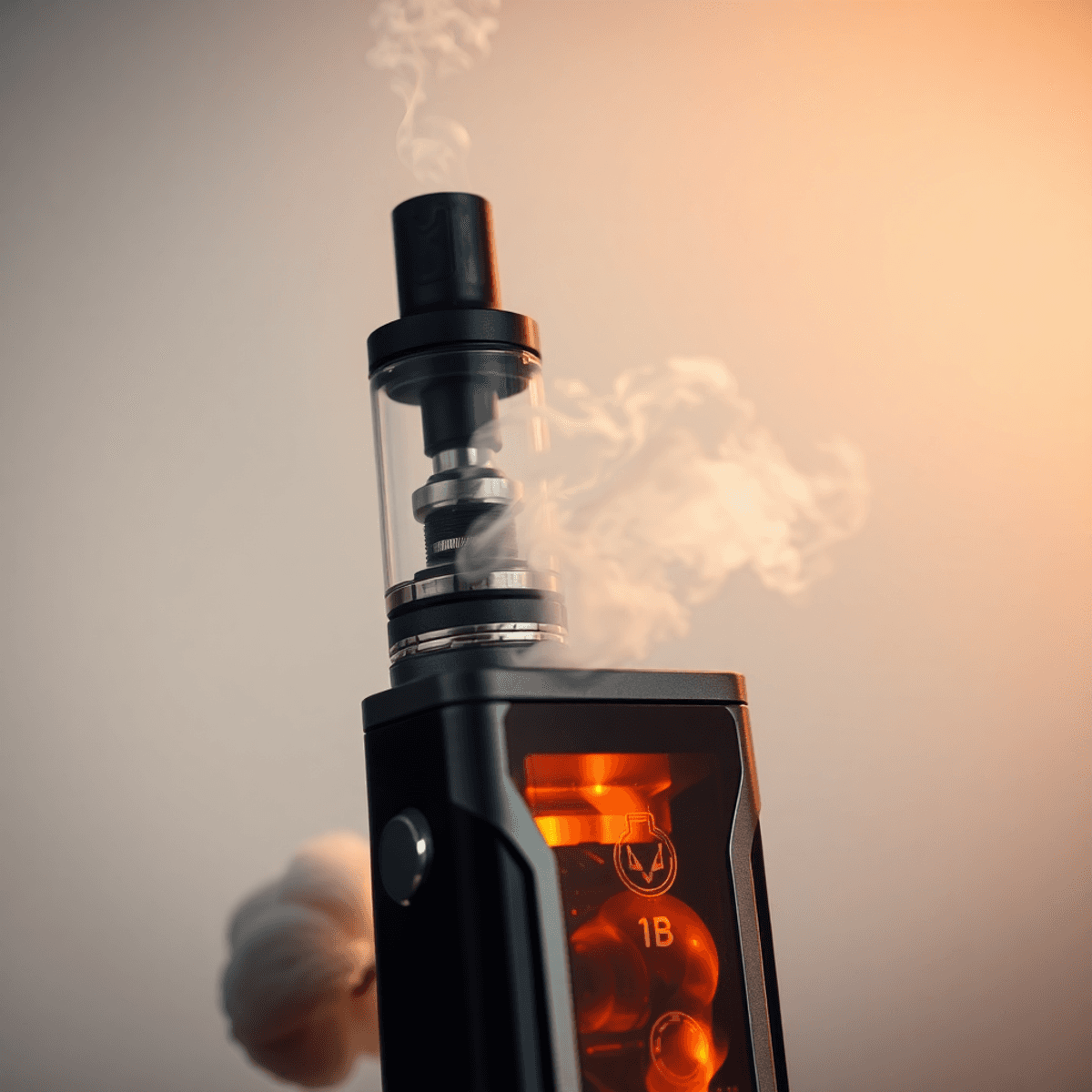
Vaping refers to the use of electronic cigarettes, or e-cigarettes, which are battery-powered devices designed to simulate the experience of smoking. These devices heat a liquid solution to create an aerosol that users inhale, providing nicotine delivery without burning tobacco.
The main attraction of vaping is its ability to replicate the hand-to-mouth action and throat sensation of traditional smoking while avoiding many of the harmful substances found in cigarette smoke. When you use an e-cigarette, the battery powers a heating element that vaporises the e-liquid, producing an inhalable mist.
How Does Vaping Work?
When you activate an e-cigarette:
- The battery powers a heating element.
- The heating element vaporises the e-liquid.
- An inhalable mist is produced.
Key Components of Vaping Systems
Vaping systems consist of three main components:
- The device – typically consisting of a battery, heating coil and mouthpiece
- E-liquids – solutions containing nicotine, propylene glycol, vegetable glycerine, and flavourings
- Atomiser or tank – the chamber where liquid is stored and vaporised
Types of Vaping Devices
There are various types of vaping devices available:
- Simple disposable pens
- Advanced mod systems with customisable settings
E-Liquid Strengths
The strength of e-liquid can vary significantly:
- Low nicotine concentrations suitable for light smokers
- High nicotine levels comparable to traditional cigarettes
Understanding the Cardiovascular System and Blood Pressure
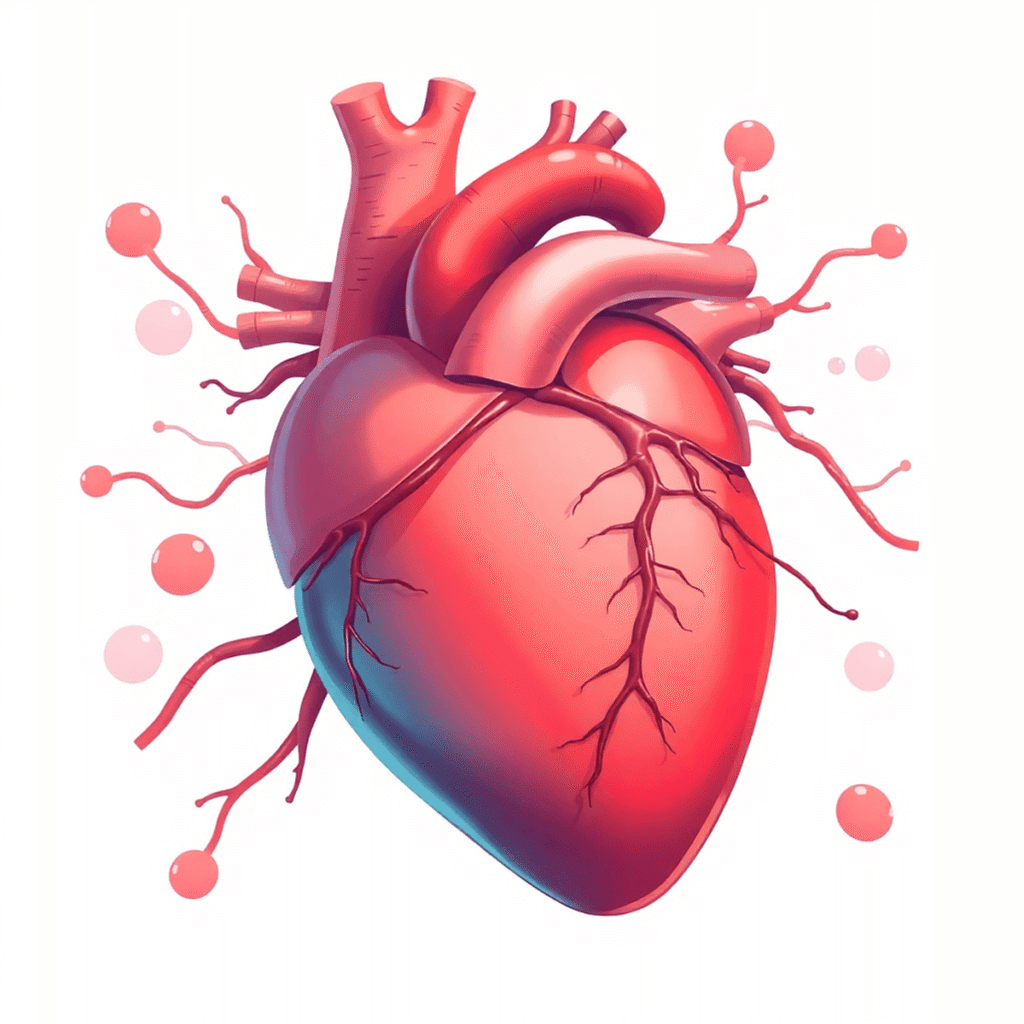
Your cardiovascular system is like a transport network for your body. It consists of your heart and a vast network of blood vessels that carry blood throughout your body. The main function of this complex system is to deliver oxygen and nutrients to every cell while also removing waste products. This continuous process is essential for keeping you alive and functioning properly.
What is Blood Pressure?
Blood pressure refers to the force exerted by circulating blood against the walls of your arteries. It is measured using two numbers:
- Systolic pressure: This is the higher number, representing the pressure in your arteries when your heart beats and pumps blood.
- Diastolic pressure: This is the lower number, indicating the pressure in your arteries when your heart is at rest between beats.
A normal blood pressure reading is typically around 120/80 mmHg. However, if these numbers become too high, it can put excessive strain on your heart, leading to serious complications such as stroke, heart attack, or kidney damage.
Factors Affecting Blood Pressure
Several factors can influence your blood pressure readings:
- Lifestyle choices: Your diet, level of physical activity, stress levels, and quality of sleep all play significant roles in determining your blood pressure.
- Substances you consume: Certain substances like caffeine, alcohol, and nicotine can directly impact your blood pressure levels.
- Age and genetics: Some factors that affect blood pressure are beyond your control, such as your age and genetic predisposition.
- Existing health conditions: Conditions like diabetes, obesity, and kidney disease can have an adverse effect on cardiovascular function.
The Role of Heart Rate
In addition to blood pressure, another important indicator of cardiovascular health is heart rate. Your heart rate refers to the number of times your heart beats per minute. It works in conjunction with blood pressure to provide insights into how well your cardiovascular system is functioning.
When substances like nicotine enter your body, they can cause immediate changes in both your heart rate and blood pressure measurements. Specifically, nicotine stimulates your body to release adrenaline, which increases heart rate and constricts blood vessels. These physiological responses require additional effort from your heart and can lead to long-term cardiovascular issues if sustained over time.
Nicotine’s Effect on Blood Pressure
The impact of nicotine on your cardiovascular system begins the moment you inhale from a vaping device. This powerful stimulant triggers your adrenal glands to release adrenaline, a hormone that prepares your body for a “fight or flight” response. The adrenaline release causes your heart to beat faster and your blood vessels to constrict, directly leading to a blood pressure increase. You’ll experience these effects within minutes of vaping, with your systolic and diastolic readings climbing noticeably.
The toxic nature of nicotine extends beyond these immediate responses. When you regularly expose your cardiovascular system to nicotine, you’re creating a cycle of stress that your heart and blood vessels must constantly manage. Your arterial walls face repeated constriction, forcing your heart to work harder with each beat. This increased workload doesn’t just disappear when you put down your device – the effects linger, contributing to sustained elevated blood pressure levels.
Does vaping cause high blood pressure in the same way traditional cigarettes do? The nicotine delivery method differs, but the cardiovascular response remains remarkably similar. Traditional cigarette smokers absorb nicotine through combustion, whilst you absorb it through aerosolized vapor. Both methods deliver comparable nicotine doses to your bloodstream, producing nearly identical spikes in heart rate and blood pressure. The key difference lies in the accompanying chemicals rather than the nicotine impact itself.
Research Evidence Linking Vaping to High Blood Pressure
Scientific investigations into vaping studies have revealed concerning patterns in cardiovascular responses. Research consistently demonstrates that e-cigarette use triggers immediate increases in both systolic and diastolic pressure readings. A study published in the Journal of the American Heart Association found that participants experienced a 7-10 mmHg rise in systolic pressure within minutes of vaping, with diastolic measurements climbing by 4-6 mmHg.
The data extends beyond blood pressure measurements. Researchers have documented significant heart rate increase among vapers, with some studies recording elevations of 10-15 beats per minute following e-cigarette use. You’ll find these changes accompanied by observable vasoconstriction – the narrowing of blood vessels that restricts blood flow and forces your heart to work harder.
What strikes many researchers is the similarity between vapers and traditional smokers in their cardiovascular responses. Even individuals who’ve only been vaping for six months show comparable patterns to those who’ve smoked cigarettes for years. This parallel exists despite the shorter exposure duration and different chemical compositions.
Studies comparing vapers to non-users paint a clear picture: those who regularly use e-cigarettes display consistently elevated baseline blood pressure readings and experience more pronounced spikes during and after vaping sessions. The evidence suggests your cardiovascular system responds to vaping in ways that mirror traditional tobacco use, raising questions about the perceived safety gap between these two habits.
Mechanisms Behind Vaping-Induced Cardiovascular Changes
When you vape, nicotine triggers sympathetic nervous system activation, which sets off a series of physiological responses in your body. This activation releases stress hormones like adrenaline, forcing your heart to work harder and faster. Your blood vessels constrict, narrowing the pathways through which blood must flow, which directly increases the pressure against arterial walls.
The increased cardiac workload doesn’t stop when you put down your device. Studies show that vapers experience significantly slower heart rate recovery after physical exercise compared to non-users. This delayed recovery indicates that your cardiovascular system remains stressed for extended periods, struggling to return to its baseline state. Your heart essentially stays in an elevated state of alert, working overtime even during rest periods.
Vascular constriction plays a critical role in these changes. When your blood vessels tighten in response to vaping, your heart must pump with greater force to circulate blood throughout your body. This persistent strain on your cardiovascular system raises serious questions about long-term consequences.
The repeated cycle of sympathetic activation, elevated cardiac demand, and impaired recovery creates a pattern that could lead to chronic cardiovascular problems. Your body’s inability to quickly normalise after vaping sessions suggests that regular use may prevent your cardiovascular system from ever truly resting, potentially accelerating wear and tear on your heart and blood vessels over time.
Chemical Exposure Beyond Nicotine in Vaping
When you vape, you’re not just inhaling nicotine. E-cigarettes expose you to thousands of chemicals that researchers are still working to fully understand. These chemicals in e-cigarettes include flavouring agents, propylene glycol, vegetable glycerin, and various additives that create the vapour you inhale.
The Role of E-Liquid Ingredients
Certain flavouring compounds, particularly diacetyl and acetoin, have been linked to respiratory irritation and potential lung damage. You might experience throat irritation, coughing, or breathing difficulties as immediate effects, but the long-term consequences remain largely unknown.
Potential Risks to the Cardiovascular System
The cardiovascular system faces similar concerns. Some chemicals present in e-liquids act as cardiovascular toxins, potentially damaging blood vessel walls and contributing to inflammation. Formaldehyde and acrolein, which can form when e-liquids are heated, are known irritants that may affect both your lungs and heart health.
Does vaping cause high blood pressure? The chemical complexity makes this question even more pressing. You’re not dealing with a single substance but rather a complex mixture that varies between brands, flavours, and device types.
The Challenge of Predicting Chemical Exposure
Different e-liquid formulations contain different chemical profiles, making it difficult to predict exactly what you’re exposing yourself to with each puff.
The uncertainty surrounding long-term exposure represents a significant gap in our understanding. You’re essentially participating in a large-scale experiment where the full health implications won’t be clear for years or even decades.
Comparing Vaping to Traditional Smoking Regarding Blood Pressure Risk
The vaping vs smoking debate often positions e-cigarettes as a safer alternative, yet this framing oversimplifies the cardiovascular risk comparison. Research demonstrates that whilst vaping exposes users to fewer toxic compounds than combustible cigarettes, it still triggers significant blood pressure elevations. Studies measuring immediate cardiovascular responses show that both vapers and smokers experience similar spikes in systolic and diastolic readings, with increases ranging from 5-10 mmHg after use.
The relative harm assessment becomes complicated when examining duration and intensity. Traditional smokers typically accumulate decades of exposure before developing hypertension, yet vapers show comparable cardiovascular stress markers despite shorter usage periods. You might experience the same sympathetic nervous system activation and arterial stiffening whether you vape or smoke, though the chemical pathways differ.
Age plays a critical role in determining risk severity. Younger vapers who’ve never smoked may develop cardiovascular sensitivity earlier than expected, whilst older individuals switching from cigarettes might still carry residual damage. The frequency of use matters equally – someone vaping throughout the day faces cumulative nicotine exposure rivalling heavy smokers.
Clinical observations reveal that vapers and smokers share troubling similarities:
- Elevated resting heart rates
- Impaired endothelial function
- Reduced arterial elasticity
- Prolonged post-exercise recovery times
These parallels suggest that nicotine delivery method matters less than previously assumed for blood pressure outcomes.
Who Should Be Cautious About Vaping?
Understanding your personal risk profile is essential when considering vaping. Non-smokers risk introducing nicotine dependence and cardiovascular strain into their lives without any prior smoking habit to replace. You’re essentially starting a new health risk from scratch, exposing yourself to substances that your body has never encountered before.
If you have existing heart conditions such as hypertension, coronary artery disease, or arrhythmias, vaping poses particularly serious concerns. The nicotine-induced spikes in blood pressure and heart rate can strain an already compromised cardiovascular system. Your heart works harder with each vaping session, potentially triggering acute events or accelerating disease progression.
Vulnerable populations require special consideration:
- Pregnant women face risks to both their own cardiovascular health and foetal development
- Young people whose cardiovascular systems are still developing may experience lasting impacts
- Individuals with diabetes, who already face elevated cardiovascular risks
- Those with a family history of heart disease or stroke
- People taking medications that affect blood pressure or heart function
You need to weigh these risks against any perceived benefits. The decision to vape shouldn’t be taken lightly, particularly if you fall into any of these categories. Consulting with your healthcare provider about your specific circumstances allows you to make choices based on your unique health profile rather than general trends or peer influence.
The Need for Further Research and Regulation on Vaping Products’ Health Effects
The scientific community faces significant knowledge gaps when examining long-term effects research on e-cigarettes’ health impacts. While we’ve established that vaping can cause high blood pressure in the short term, the extended cardiovascular consequences remain largely unknown. E-liquids contain thousands of chemicals beyond nicotine – flavourings, additives, and compounds created during the heating process – whose cumulative effects on blood pressure and heart health require urgent investigation. Young people represent a particularly vulnerable population, as their developing cardiovascular systems may respond differently to prolonged exposure.
Regulatory measures for safer vape products must evolve to match the growing evidence base. National frameworks already implement age restrictions, yet international quality control standards remain inconsistent. You need assurance that products meet rigorous safety testing before reaching the market. Manufacturers should face mandatory disclosure requirements for all ingredients, whilst independent laboratories verify chemical compositions. These measures protect consumers without stifling innovation within the industry.
Responsible use guidelines for vapers extend beyond individual health considerations. Never share devices or e-liquids between users – cross-contamination introduces unnecessary risks of harmful substance exposure. Store products securely away from children and pets. If you’re purchasing vaping products, choose reputable sources like TopVapes that prioritise quality assurance and transparent ingredient listings.
Conclusion
Does vaping cause high blood pressure? The evidence points to a clear connection. While vaping may present fewer dangers than traditional cigarettes, the cardiovascular risks remain substantial. Regular use triggers measurable increases in both systolic and diastolic blood pressure, alongside elevated heart rates and compromised vascular function.
You need to understand these risks whether you’re a current vaper, considering starting, or supporting someone who uses these devices. The sympathetic nervous system activation, nicotine exposure, and chemical cocktails in e-liquids all contribute to cardiovascular strain that accumulates over time.
Healthcare professionals and policymakers must prioritise high blood pressure risk awareness among users. The summary of vaping effects on the cardiovascular system reveals a pattern that demands attention – particularly among younger users who may underestimate these dangers.
If you’re weighing the decision to vape, consider the mounting evidence carefully. Your cardiovascular health deserves protection, and the temporary satisfaction of vaping isn’t worth the potential long-term consequences to your blood pressure and heart function.
FAQs
Does vaping cause high blood pressure?
Yes, research indicates that vaping can lead to increased systolic and diastolic blood pressure due to nicotine-induced adrenaline release, which raises heart rate and causes vascular constriction, thereby elevating blood pressure levels.
How does nicotine in e-cigarettes affect cardiovascular health?
Nicotine stimulates the release of adrenaline, increasing heart rate and blood pressure, which places additional workload on the heart. This toxic effect on the cardiovascular system is similar to traditional smoking but may vary in intensity depending on exposure levels.
Is vaping safer than traditional smoking regarding blood pressure risks?
While vaping may be less harmful than traditional smoking due to lower exposure to tobacco smoke toxins, it is not risk-free. Both activities cause similar cardiovascular responses such as elevated heart rate and blood pressure, posing significant risks especially with regular use.
What chemicals in e-cigarettes besides nicotine impact cardiovascular health?
E-liquids contain thousands of chemicals beyond nicotine, some of which may be toxic or irritating to the respiratory and cardiovascular systems. The long-term effects of these substances remain uncertain, highlighting the need for further research.
Who should be cautious about using vaping products?
Non-smokers should avoid vaping due to unnecessary health risks. Individuals with pre-existing heart or vascular conditions are advised to exercise increased caution. Informed decision-making is crucial for all users considering potential cardiovascular impacts.
Why is further research and regulation needed on vaping’s health effects?
There are current gaps in understanding the long-term cardiovascular impacts of vaping products, including effects of various flavourings and additives. Rigorous scientific studies and regulatory measures such as quality control testing and age restrictions are essential to ensure consumer safety while guiding responsible use.